Some places don't feel real until you're standing in them. Kondoi Beach on Taketomi Island is one of those. The water shifts between emerald and turquoise depending on where the sun sits, and the sand — well, the sand has a secret. Tiny star-shaped grains, visible only if you look closely, are scattered among the white. It's the kind of detail that makes you crouch down and stare at the ground like you've lost something, when really you've just found it.
Getting to Taketomi Island
First things first — Taketomi isn't somewhere you stumble onto. You have to want it. The island sits about 10 minutes by high-speed ferry from Ishigaki Island, which itself requires a flight from Naha (or a direct flight from Tokyo Haneda if you time it right). The ferry runs frequently, and the ride is smooth enough that you'll spend it staring at the increasingly blue water outside the window.
Once you dock at Taketomi's tiny port, you'll notice immediately that this place moves differently. There are no traffic lights. Water buffalo carts share the narrow streets with bicycles. Traditional Okinawan houses with red-tiled roofs and stone walls line the roads, and hibiscus flowers spill over every fence.
What Makes Kondoi Beach Special
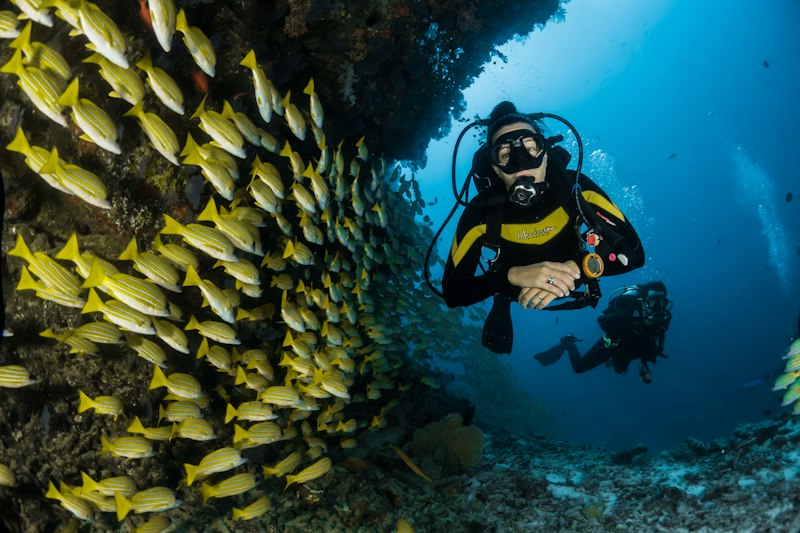
Unlike the more famous beaches on Ishigaki or Miyakojima, Kondoi has a gentleness to it. The shallows extend far out, barely reaching your knees for dozens of meters. This makes it perfect for families, but don't let that fool you — snorkelers will find plenty to see further out, where the reef drops off and tropical fish gather in clouds.
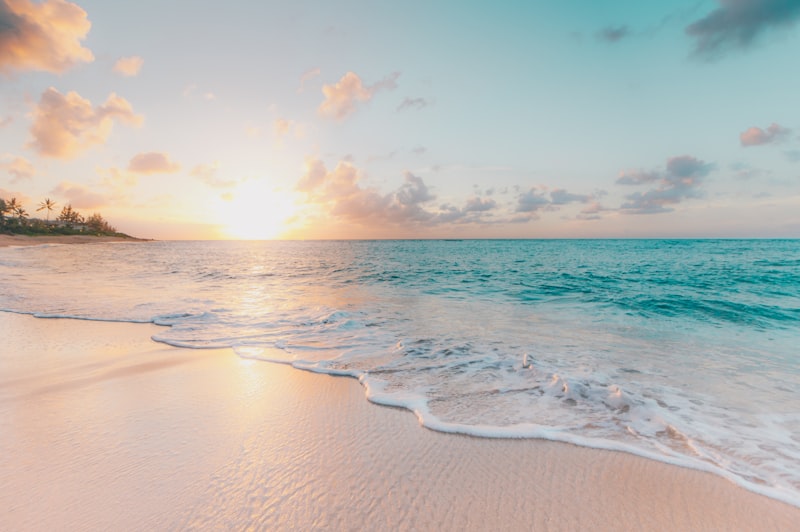
The beach faces west, which means one thing: sunsets that stop you mid-sentence. I've watched couples, solo travelers, and even a few local grandmothers all go quiet as the sky turned orange and pink over the East China Sea. Nobody reaches for their phone. That's how you know a sunset is good.
The Star Sand
Here's the part that sounds made up but isn't. The "star sand" (hoshizuna) found on Taketomi and nearby Iriomote is actually the shells of tiny foraminifera — single-celled organisms that live in the ocean and build these remarkable star-shaped exoskeletons. When they die, the shells wash ashore.
Local Okinawan folklore has a more poetic explanation: the stars fell from the sky and were swallowed by the sea serpent Omoro, who then spat them out onto the beach. I'll let you pick which version you prefer, but I know which one I'd tell around a campfire.
Practical Information
- Best time to visit: April through June for calm water; September through November for fewer crowds
- Facilities: Showers, toilets, and a small snack shop near the parking area
- Swimming safety: No lifeguards — check conditions and swim within your ability
- Budget: Ferry from Ishigaki ~¥1,500 round trip; bike rental ~¥500/day
- Stay or day trip: Day trip is possible, but staying overnight lets you catch that sunset without watching the clock
Where to Eat on Taketomi
Don't expect fancy restaurants. Do expect some of the best soki soba you'll find anywhere in Okinawa. The small eateries near the village center serve generous bowls of wheat noodles in pork broth, topped with tender spare ribs. Follow that with a scoop of yuki shio (snow salt) ice cream — it sounds weird, but the subtle saltiness against the sweet cream is surprisingly addictive.
If you only do one thing on Taketomi, sit on Kondoi Beach at 6 PM and watch the sun disappear. Everything else is a bonus.
Final Thoughts
Kondoi Beach isn't the longest beach in Okinawa, and it's not the most dramatic. But that's exactly the point. It doesn't need to shout. The water does the talking — those impossible shades of green and blue that no photograph quite captures, no matter how hard Instagram tries. Go for the star sand, stay for the silence, and leave knowing you've seen something that most travelers racing between Naha and Kabira Bay will never find.
Taketomi is slow. Let it be slow. That's the whole lesson of the island.